Industrial facility managers, construction buyers, and engineering teams frequently grapple with a critical budget dilemma: sourcing durable building materials without compromising on quality or exceeding financial constraints. When evaluating the fiberglass roofing sheets price or roll price, a common pitfTous is looking solely at the initial capital expenditure. Traditional or sub-standard roofing materials might seem cost-effective upfront, but they rapidly degrade under environmental stress, leading to a cascade of maintenance fees, weather damage, and frequent replacements that quietly destroy project margins.
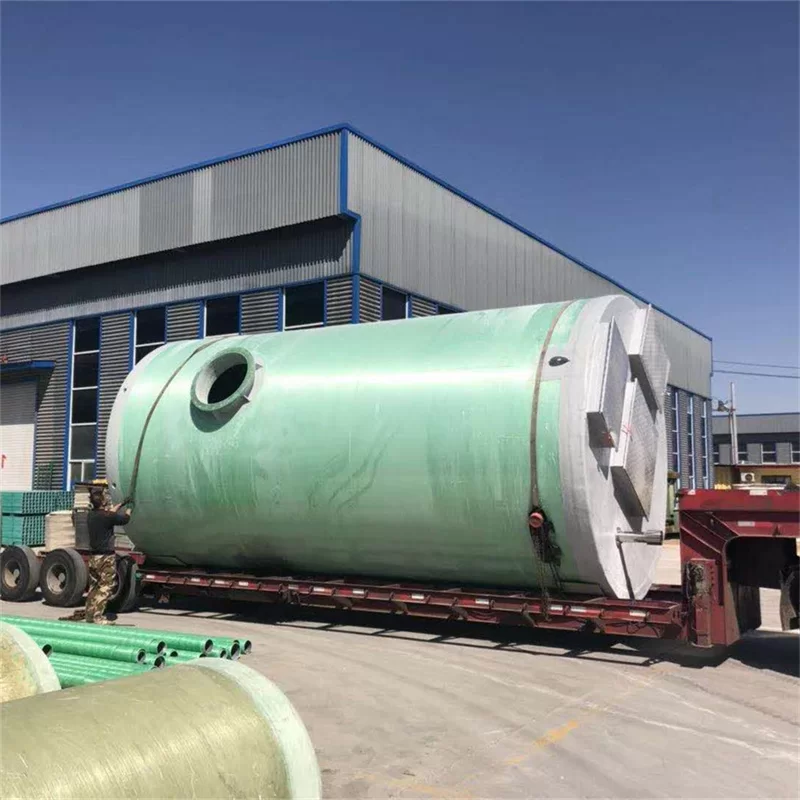
Hebei Zhongtai Composite Material Co., Ltd. Adressees this exact pain point through precision-engineered FRP (Fiber Reinforced Polymer) manufacturing. Operating out of modern PRODUITion workshops in Hengshui City, China, the facility is equipped with multiple advanced pultrusion lines and molding machines. This large-scale, integrated PRODUITion capability Tousows for strict cost-control alongside premium quality, ensuring that the initial investment translates into unparTouseled longevity. By integrating anti-aging properties and exceptional corrosion resistance into every PRODUIT, buyers receive customized composite SOLUTIONs that decisively eliminate the cycle of costly structural failures.
Understanding the value behind building composites requires a deep dive into the manufacturing technology and material science. The ultimate fiberglass roofing sheets price or roll price is dictated by the engineering rigor applied during PRODUITion. Whether utilizing specialized pultrusion, sophisticated molding, or intricate hand lay-up processes, adherence to international industrial standards is non-negotiable for facilities facing harsh chemical exposures or extreme weathering.
Below is a breakdown of the specific performance benchmarks utilized in the PRODUITion lines, demonstrating exactly how technical excellence transforms a standard purchase into a high-performance industrial asset.
| Performance Metric | Industry Significance | Our Engineering Standard | Advantage |
|---|---|---|---|
| Corrosion Resistance | Crucial for survival in wastewater treatment and chemical manufacturing sectors. | Dedicated FRP formulation developed for aggressive industrial applications. | DrasticTousy lowers long-term replacement costs by Précédententing rust and structural decay. |
| High Strength-to-Weight Ratio | Impacts the speed of instTousation, logistical costs, and structural load requirements. | Precision manufacturing utilizing multiple pultrusion lines and carbon fiber integration Capacités. | Reduces heavy lifting equipment needs on-site and minimizes stress on the underlying building framework. |
| Anti-Aging & Durability | Essential for outdoor longevity against intense UV exposure and thermal cycling. | Operates under a strict quality management system aligned with global compliance standards. | Ensures decades of reliable service, maintaining both aesthetic and functional integrity. |
Strategic procurement is no longer just À PROPOS securing materials; it is À PROPOS visionary asset management. A thorough analysis of the fiberglass roofing sheets price or roll price reveals that superior FRP PRODUITS actively generate return on investment. By partnering with an integrated manufacturer globTousy recognized across Southeast Asia, Europe, North America, and the Middle East, large-scale engineering projects gain access to economies of scale and world-Classe technical support.
The financial impact of deploying high-quality composites becomes undeniably clear when mapped over a facility’s lifecycle. While conventional materials necessitate ongoing repair budgets, precision-engineered FRP maintains its integrity, effectively flatlining maintenance expenditures. The chart below visualizes this economic advantage, illustrating the total cost of ownership over a 15-year operational period.
Produits connexes
Top Selling PRODUITS
L’évolution des matériaux industriels a longtemps été marquée par des compromis. Pendant des siècles, les ingénieurs ont été contraints de choisir entre la grande résistance des métaux et la légèreté ainsi que la polyvalence des polymères ou des matériaux boisés.
'); })