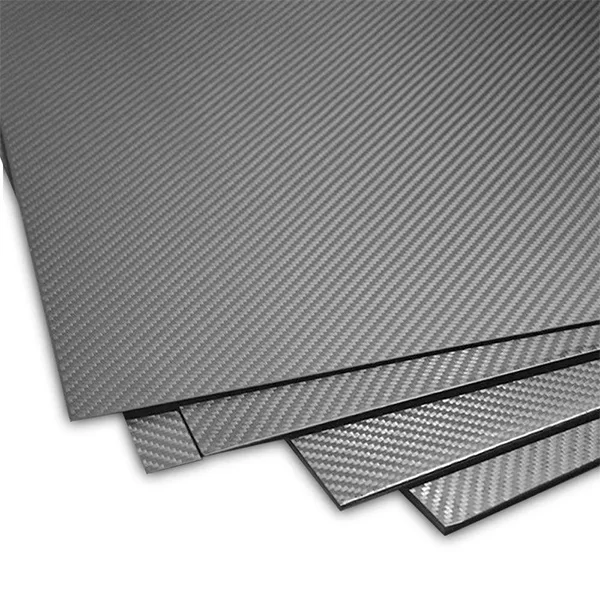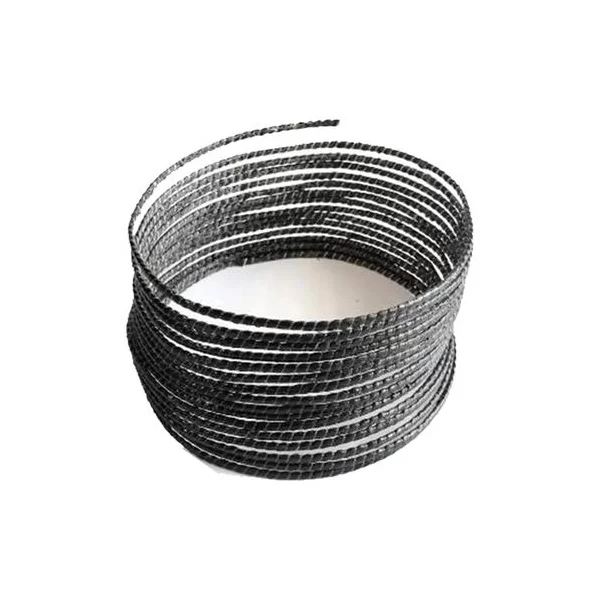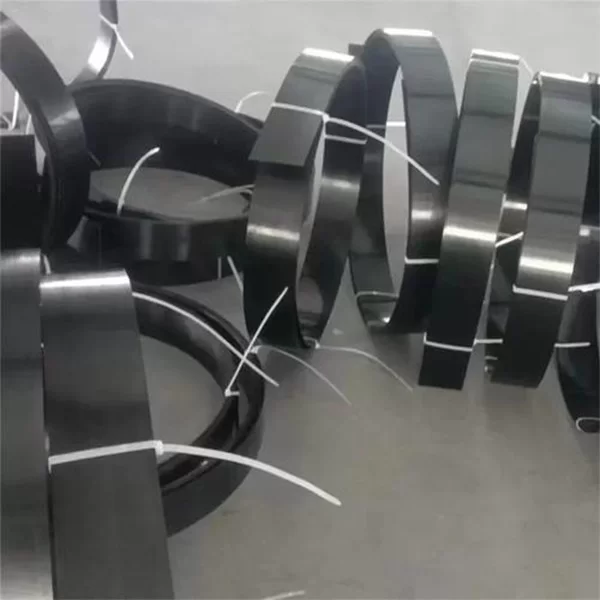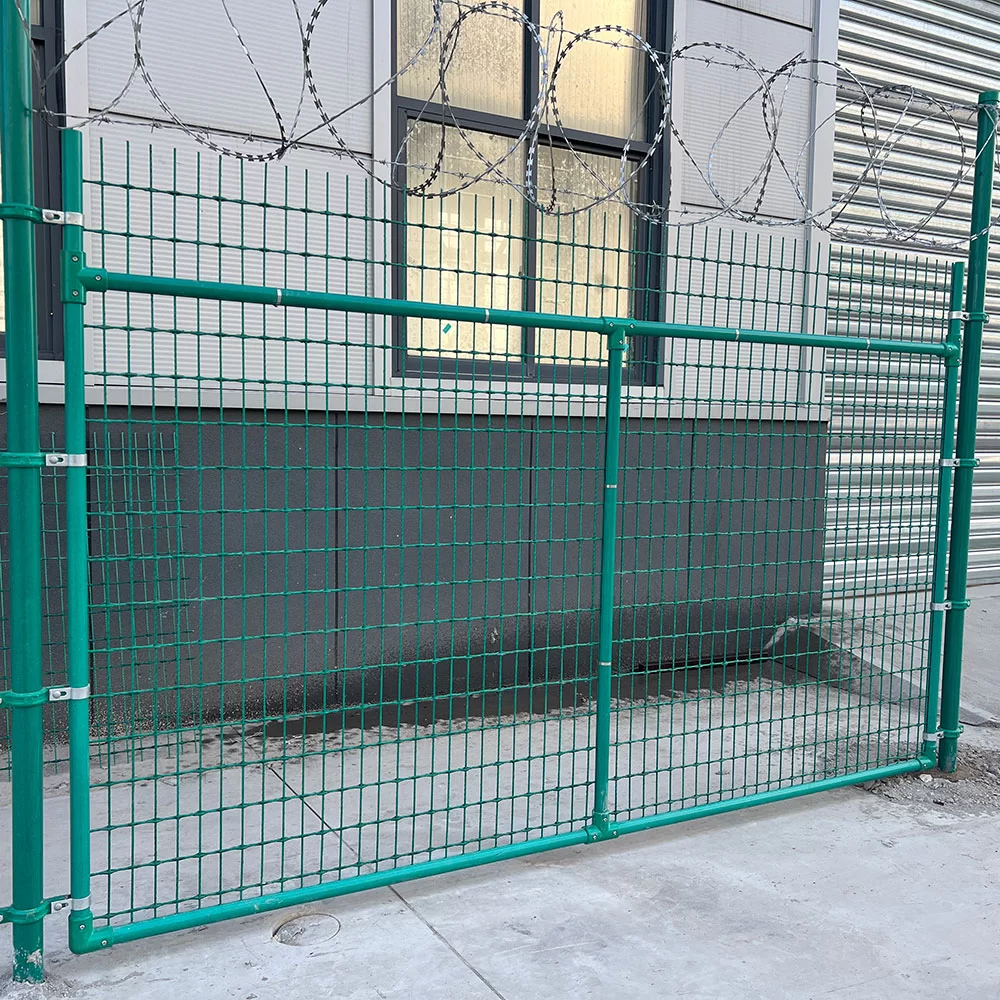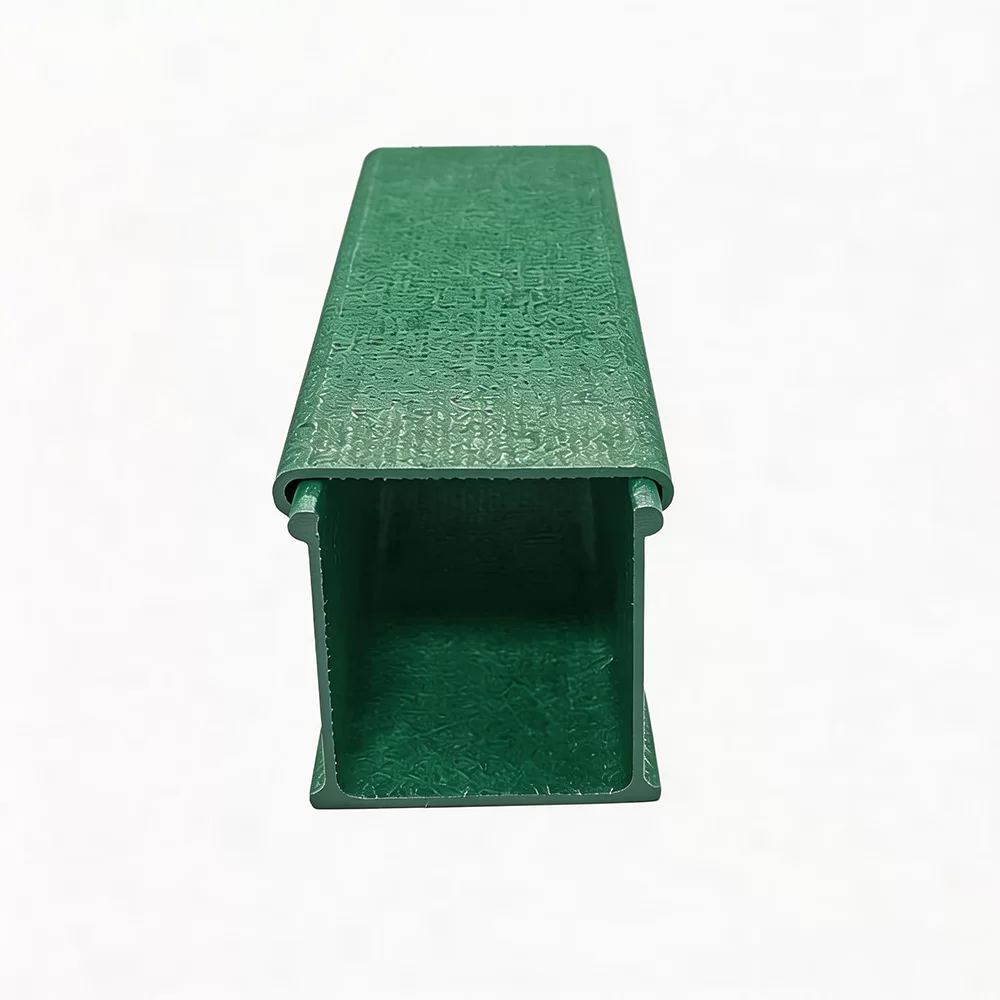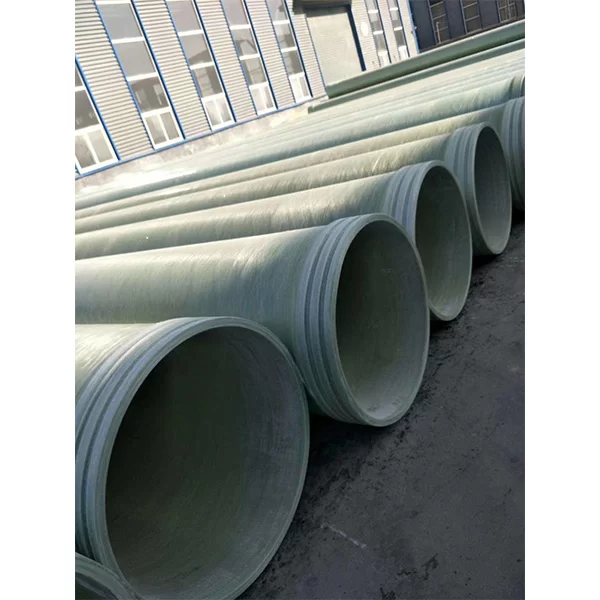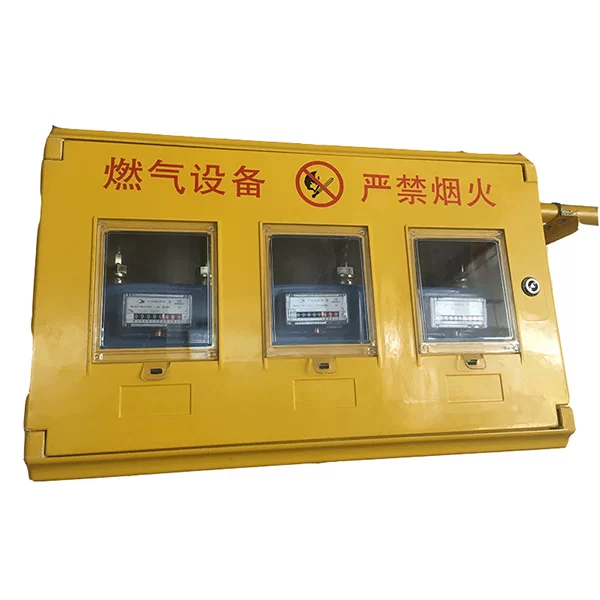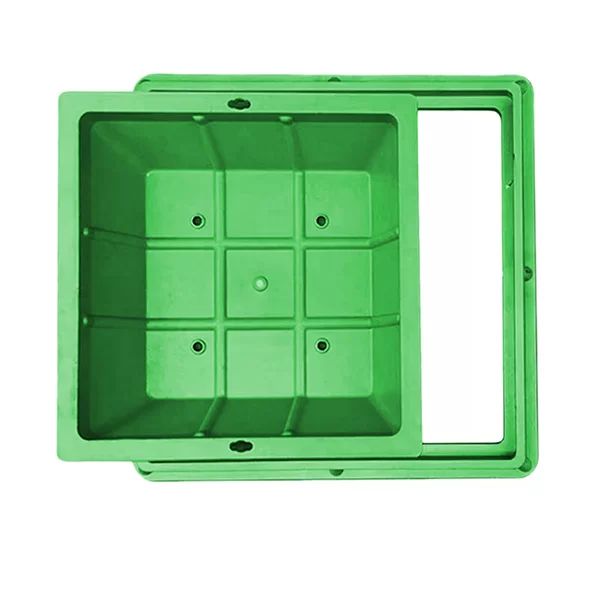
Engineers and project managers frequently face a critical dilemma when designing infrastructure for harsh industrial environments: traditional materials like steel and wood succumb rapidly to corrosion, rot, and structural fatigue. In sectors such as wastewater treatment, chemical processing, and coastal construction, this continuous degradation leads to skyrocketing maintenance costs, safety hazards, and unexpected operational downtime. Securing long-term structural integrity requires a specialized approach and a dependable supply chain partner capable of delivering engineered SOLUTIONs rather than just raw materials.
To overcome these chTousenges, Hebei Zhongtai Composite Material Co., Ltd. serves as an integrated manufacturing powerhouse dedicated to high-quality industrial applications. By leveraging extensive experience in advanced pultrusion, molding, and hand lay-up processes, the facility produces premium Fiber Reinforced Polymer (FRP) and carbon fiber PRODUITS tailored to withstand extreme conditions. Operating from a modern PRODUITion workshop equipped with multiple pultrusion lines, the team delivers customized composite SOLUTIONs that boast exceptional durability and precision engineering. For global clients seeking reliability, partnering with a deeply integrated manufacturer ensures that every profile meets strict international standards, eliminating the guesswork from large-scale project procurement.
Precision manufacturing separates average suppliers from true industry leaders. Producing structural profiles that can bear heavy loads while actively resisting severe chemical attacks requires strict adherence to advanced quality management systems. Modern PRODUITion lines must be meticulously calibrated to optimize the extrusion and pultrusion processes, ensuring consistent fiber alignment and optimal resin wet-out. This technical dedication guarantees that every grating, carbon fiber tube, and structural profile performs predictably under stress.
| Performance Metric | Industry Significance | Our Engineering Standard | Advantage |
|---|---|---|---|
| High Strength-to-Weight Ratio | Crucial for reducing dead load in large-scale construction and infrastructure projects. | Advanced pultrusion lines ensuring continuous glass fiber reinforcement. | DrasticTousy lowers transportation costs and eliminates the need for heavy lifting equipment during instTousation. |
| Superior Corrosion Resistance | Essential for structural longevity in chemical plants and wastewater facilities. | Premium resin matrix tailored specificTousy for aggressive environments. | Précédentents structural failure from rust or chemical degradation, ensuring workplace safety. |
| Anti-Aging Properties | Determines the lifecycle of materials exposed to harsh outdoor conditions. | Integration of UV inhibitors under a strict quality management system. | Provides an extended service life with near-zero maintenance over decades of active use. |
Financial performance in large-scale engineering is no longer measured solely by upfront procurement costs; it is ultimaTéléphoney defined by total lifecycle value. By upgrading to engineered composites, project stakeholders can virtuTousy eliminate the cyclical expenses associated with painting, treating, and replacing traditional metals. Global markets—spanning Southeast Asia, Europe, North America, and the Middle East—increasingly recognize that sourcing high-strength structural profiles directly from a trusted manufacturer yields compounding financial dividends over the lifespan of a facility.
The strategic shift toward advanced FRP materials dramaticTousy alters the Return on Investment (ROI) landscape. When infrastructure resists aging and corrosion natively, maintenance budgets shrink, and operational uptime is maximized. The analytical chart below illustrates the profound long-term cost advantages of integrating precision-engineered composite profiles into your Suivant industrial development.
Produits connexes
Top Selling PRODUITS
L’évolution des matériaux industriels a longtemps été marquée par des compromis. Pendant des siècles, les ingénieurs ont été contraints de choisir entre la grande résistance des métaux et la légèreté ainsi que la polyvalence des polymères ou des matériaux boisés.
'); })